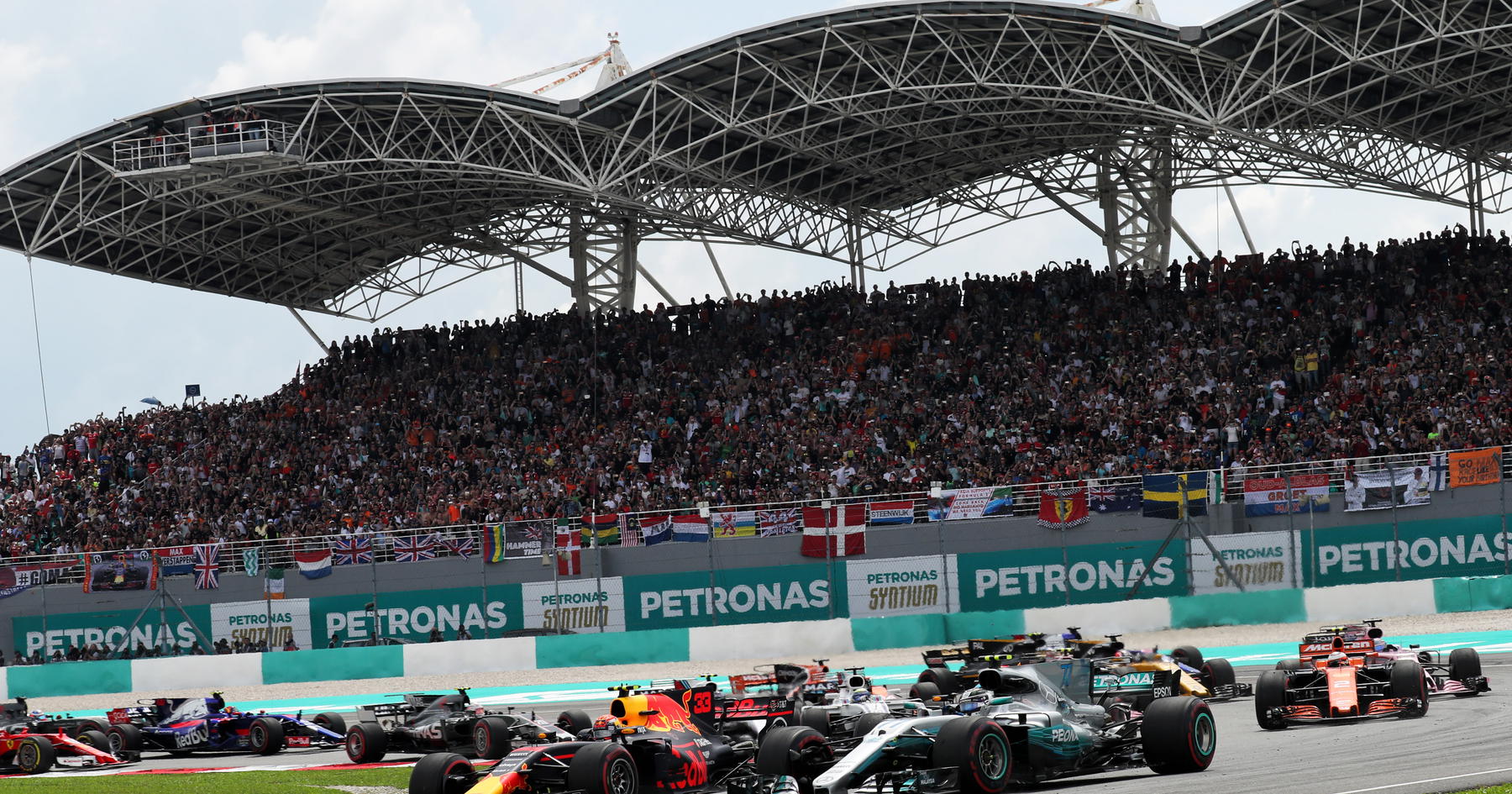
As the global landscape of Formula 1 faces uncertainties, the possibility of canceling races in Bahrain and Saudi Arabia raises questions about where the sport could potentially race next. The current calendar includes these Middle Eastern venues, which are crucial for the sport's revenue and global reach. However, unforeseen circumstances such as geopolitical issues, logistical challenges, or health crises could lead to cancellations.
In such a scenario, organizers and teams are exploring alternative venues that could host the races. Traditionally, F1 has considered circuits in Europe, Asia, and the Americas as potential replacements. Countries like Portugal, with the Autódromo do Estoril, or the Netherlands, with the Zandvoort circuit, are among the European options that could be considered for replacement races. These venues have the infrastructure and experience hosting international motorsport events.
Additionally, Asian circuits such as the Marina Bay Street Circuit in Singapore or the Suzuka International Racing Course in Japan could serve as viable alternatives. These locations are known for their challenging layouts and passionate fan bases, making them attractive options for F1 organizers seeking to maintain the global appeal of the sport.
In the Americas, circuits like the Circuit of the Americas in Austin, Texas, or the Autódromo José Carlos Pace in São Paulo are potential candidates. These venues have hosted F1 races successfully in the past and could be mobilized quickly if needed.
Furthermore, some experts suggest that F1 could consider adding new circuits in regions where the sport is still expanding, such as the Middle East or Africa, to diversify the calendar and reach new audiences. The decision ultimately depends on logistical feasibility, contractual agreements, and the desire to keep the championship as competitive and exciting as possible.
In conclusion, while the cancellation of races in Bahrain and Saudi Arabia would be a significant disruption, the sport has a range of potential alternative venues worldwide. These options include established circuits in Europe, Asia, and the Americas, as well as the possibility of exploring new markets to ensure the continuity and growth of Formula 1.